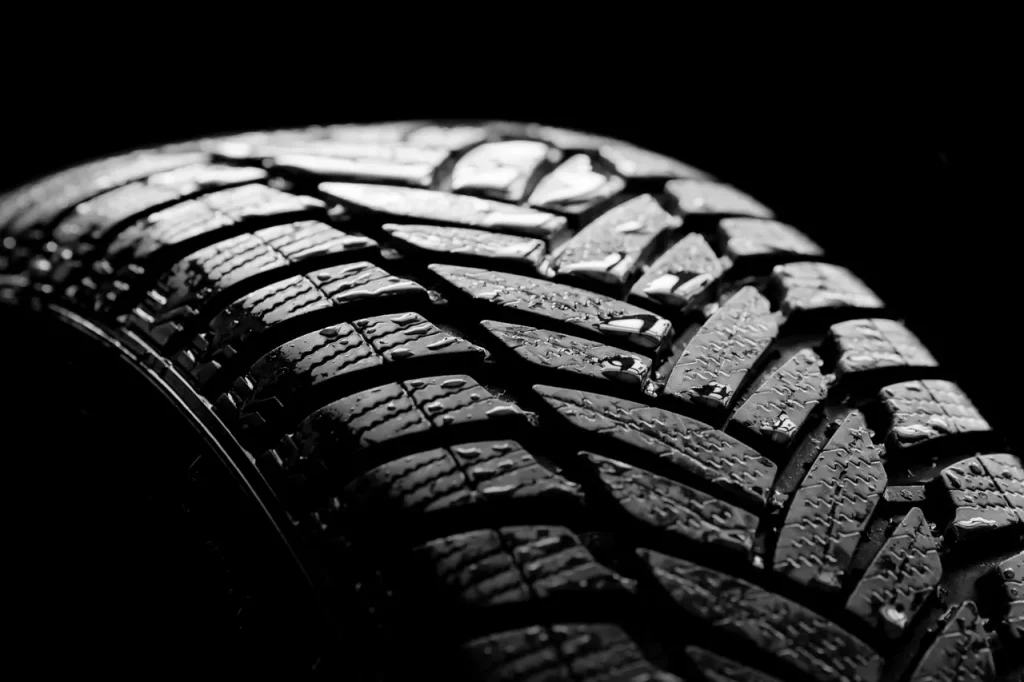
Different Types of Tires
Tire types generally consist of two kinds: Those with inner tubes and those without tubes, called tubeless tires. Truck tires and motorcycle tires sometimes use tubes. Tubes are very rarely used in passenger-car tires today. Most vehicles use tubeless tires. The tubeless tire does not use an inner tube. Tubeless tires are mounted on a wheel rim so that the air is maintained between the rim and the tire.
Different Types of Tires: Understanding Varieties for All Vehicles
Tires are a critical component of vehicle performance, safety, and efficiency. They are the sole point of contact between a vehicle and the road, serving not just to support the car’s load but to transmit traction and braking forces, absorb shocks from the road surface, and help maintain and change the direction of travel. With such a vital role, it comes as no surprise that there are numerous tire types, each designed to perform optimally under specific conditions.
The variety of tires available can be categorized based on their intended usage, tread patterns, and seasonal capabilities. For everyday road use, passenger tires are the most common, providing a balance of comfort, durability, and performance. These come in all-season, summer, and winter varieties, catering to various weather conditions and driving habits. Performance tires, on the other hand, offer enhanced grip and handling for high-speed and sporty driving, often featuring specialized tread designs and rubber compounds.
Specialty tires further diversify the spectrum, including off-road tires with reinforced sidewalls and aggressive tread patterns for traction on rough terrains, and run-flat tires that allow a vehicle to continue driving for a limited distance after puncture. For commercial purposes, heavy-duty truck tires designed to withstand greater loads and mileage are essential. Meanwhile, eco-friendly tires focus on reducing rolling resistance to improve fuel efficiency and lower carbon emissions. Each type embodies specific engineering feats to meet the demands of various vehicles, driving conditions, and consumer needs.
Passenger Vehicle Tires
Passenger vehicle tires are designed to provide a balanced performance for regular driving conditions. They cater to various weather conditions and handling preferences.
All-Season Tires
All-Season tires are a versatile option suitable for a wide range of vehicles. Major features include:
- Moderate tread depth to balance dry and wet traction.
- Siped tread patterns for better grip in light snow.
Performance Tires
Performance tires excel in handling and grip for enthusiastic drivers. They typically have:
- A lower profile and stiffer sidewalls for improved cornering.
- Advanced rubber compounds for increased traction on dry and wet roads.
Winter Tires
Winter tires are essential for harsh, cold weather driving. Their characteristics comprise:
- Deeper treads and unique patterns to handle snow and ice.
- Rubber formulations that remain flexible in extreme cold for better control.
Summer Tires
Summer tires provide optimal performance in warm climates. Key elements include:
- Reduced grooving for maximum contact with the road.
- Specialized tread compounds that resist high temperatures and provide grip during summer conditions.
Specialty Tires
Specialty tires are designed for specific applications or vehicle requirements. They offer unique characteristics suited for distinct driving conditions or performance demands.
Off-Road Tires
Off-road tires are designed for vehicles that frequently travel on unpaved surfaces. They have deep tread patterns and reinforced sidewalls for durability and traction in mud, sand, rocks, or more rugged terrain.
Truck Tires
Truck tires are tailored to handle heavy loads and provide stability for larger vehicles. They typically feature stronger sidewall construction and tread designs optimized for towing and hauling performance.
Run-Flat Tires
Run-flat tires are constructed to allow a vehicle to continue to drive at a reduced speed and for a limited distance after a puncture. They have reinforced sidewalls that support the vehicle even when the tire is deflated.
Recommended Tire Rotation Patterns
Rear and four-wheel drive vehicles rotate back tires to front on the same side of car, crisscrossing the fronts to rear. Front wheel drive vehicles crisscross the backs to front, and rotate front tires to rear, on the same side. If non directional, use this method to minimize scrub/wear. As a general rule, all vehicles can be crisscrossed back to front, front to rear. Directional tires on all automobiles can be rotated front to rear, rear to front on the same side of the car.
Recommended Tire Rotation Patterns: Maximizing Tread Life and Performance
Regular tire rotation is a crucial aspect of vehicle maintenance that can significantly enhance tire life and safety on the road. By redistributing the wear on tires to ensure they wear evenly, tire rotation helps maintain optimal handling and traction. This practice not only contributes to a smoother ride but also reduces the risk of blowouts and tread wear, leading to fewer replacements over the vehicle’s lifetime. Most manufacturers recommend rotating tires every 5,000 to 8,000 miles, but specific intervals can vary based on the vehicle type, tire model, and driving conditions.
Implementing proper tire rotation patterns is essential for maximizing the benefits of this maintenance task. Different drivetrains require different rotation strategies, such as moving the front tires to the rear and the rear tires to the front in a specific order for front-wheel drive vehicles. For all-wheel or four-wheel drive vehicles, a more complex pattern may be required to ensure all tires wear at the same rate. Adhering to the correct pattern helps maintain the tires in good condition, which is essential for the safety and performance of the vehicle.
Tire rotation is a simple yet effective way to extend the life of tires and improve vehicle safety. Seeking professional advice or referring to the vehicle’s owner’s manual can ensure that the appropriate tire rotation pattern is used, tailored to the specific needs of the car. Regular tire rotation is a small investment in maintenance that pays off in the long run by preserving tire quality and ensuring a reliable driving experience.
Understanding Tire Rotation Patterns
Tire rotation is a critical maintenance step that ensures tires wear evenly, which improves traction, handling, and the lifespan of the tires. This section explores the benefits of regular tire rotation, the types of tire rotation patterns available, and the differences between directional and non-directional tires.
Benefits of Regular Tire Rotation
Regular tire rotation offers multiple advantages:
- Even wear: It ensures more uniform wear across all tires, which can extend their usable life.
- Improved performance: Even wear contributes to better traction, handling, and safer driving.
- Cost savings: By maximizing the life of tires, drivers can reduce the frequency of tire replacements.
Types of Tire Rotation Patterns
There are several tire rotation patterns suitable for different vehicle types and tire configurations:
- Front-to-Rear: The most straightforward pattern; front tires move to the back, and rear tires move to the front.
- Side-to-Side: Lateral rotation useful for vehicles with tires of the same size and type on all wheels.
- X-Pattern: Front tires move diagonally to opposite rear positions and vice versa, applicable to vehicles with non-directional tires of the same size.
- Rearward Cross: The rear tires move to the front and remain on the same side, while the front tires move to the opposite sides of the rear.
These patterns should be chosen based on the vehicle’s drivetrain and tire type.

Directional Vs. Non-Directional Tires
- Directional Tires: Designed to rotate in one direction. Their tread pattern is optimized for enhanced wet traction.
- Rotation: Should be rotated front-to-back on the same side of the vehicle.
- Non-Directional Tires: Can rotate in any direction and have symmetrical tread patterns.
- Rotation: More flexible with multiple patterns, including the X-Pattern and Front-to-Rear.
Each tire type requires specific rotation patterns to maintain their designed efficiency and safety features. It’s crucial to identify the tire category before deciding on a rotation pattern.
Practical Tire Rotation Tips
Proper tire rotation is fundamental to ensure even tire wear, extend tread life, and maintain vehicle safety. Adhering to a consistent rotation schedule can prevent uneven wear and excessive vibration, ultimately allowing tires to last longer.
When to Rotate Tires
Vehicle manufacturers typically recommend rotating tires every six months or 6,000 to 8,000 miles, whichever comes first. Always consult the owner’s manual for specific guidance, as some high-performance vehicles or those with all-wheel drive may have different requirements. It’s advantageous to pair tire rotation with oil change intervals as a reminder.
Considering Vehicle Type and Drive
Tire rotation patterns differ based on vehicle type such as SUVs, dual rear wheel (dually) trucks, and all-wheel drive vehicles. For example, AWD vehicles generally benefit from front-to-rear and side-to-side rotation pattern to ensure all tires wear evenly, essential for maintaining vehicle performance. Meanwhile, vehicles with dual rear wheels will have a specific rotation strategy to redistribute the load evenly. Vehicles with a temporary spare tire should never include the spare in rotation, as it is designed for short-term use only. Always refer to the tire warranty for any stipulations about rotation to stay abreast of conditions that could potentially void coverage.
Tire Treads
Tire treads are made from a mixture of rubber compounds that are extremely resistant to abrasion wear. Modern automotive tires contain two layers of tread materials. The first tread layer is designed to provide cool operation, minimal rolling resistance, and strength. The outer layer, or tread, is designed for long life and maximal traction. Tread rubber is a blend of many different synthetic and natural rubbers. Tire manufacturers may use up to thirty different types of synthetic rubber and eight types of natural rubber in their tires.
Tire Treads: Ensuring Optimal Grip and Safety on the Road
Tire treads are a critical aspect of vehicle safety and performance, providing the necessary grip for tires to maintain traction on various road surfaces. The design and depth of these treads are not arbitrary; they are the result of extensive research and engineering to optimize contact with the road under a multitude of driving conditions. Tires with well-maintained treads contribute to a vehicle’s handling, braking efficiency, and overall stability.
While most consumers recognize the importance of tire tread, understanding the specifics can be more complex. Different types of tread patterns serve unique functions, from channeling water away in wet conditions to providing additional biting edges for traction on snow and ice. The condition of tire tread is equally significant. As treads wear down, their ability to perform diminishes, and so does the vehicle’s safety and fuel efficiency.
Tire manufacturers incorporate wear indicators into treads, signaling when tires require replacement. Regular tread inspections can prevent the risks associated with worn tires, such as hydroplaning or loss of control. By prioritizing tread maintenance, drivers ensure that their vehicle operates as intended, minimizing the potential for accidents and enhancing driving performance.
Fundamentals of Tire Treads
Tire treads are critical for vehicle safety and performance, directly affecting traction, handling, and fuel efficiency. This section delves into the purpose and function, design elements, and material composition of tire treads.
Purpose and Function
The primary function of tire treads is to provide grip and traction on various driving surfaces. They facilitate water evacuation to prevent hydroplaning and help maintain control during different weather conditions. In snowy or muddy situations, deep tread patterns allow tires to bite into the terrain to improve stability and maneuverability.
Design Elements
Tread patterns are carefully engineered to suit specific vehicle types and driving conditions. They are categorized into three main types:
- Symmetrical: Ideal for passenger vehicles, offering a quiet and comfortable ride.
- Directional: Optimized for water evacuation and high-speed stability, often found on performance cars.
- Asymmetrical: Combining multiple patterns to offer grip in varied conditions, typically seen on sports cars and SUVs.
Manufacturers also incorporate various other design features such as siping and tread blocks to enhance the tire’s performance.
Material Composition
Tire treads are composed of a blend of materials, with rubber being the predominant substance. The compound usually includes:
- Natural rubber: For elasticity and resilience.
- Synthetic rubber: For improved wear characteristics and heat resistance.
- Carbon black and silica: For durability and reduced rolling resistance, which affects fuel economy.
These components are mixed with other chemicals to create a compound that balances grip, durability, and performance across different temperatures and road conditions.
Tire Tread Types and Performance
Tire treads are vital for vehicle safety and performance. They come in various patterns, each serving different driving conditions and offering unique benefits.
Symmetrical Treads
Symmetrical tread patterns are characterized by identical tread blocks and grooves on both halves of the tire. This design offers long tread life and a smooth, quiet ride, making it a popular choice for passenger vehicles. They also allow for multiple rotation patterns, extending tire longevity.
Directional Treads
Directional treads are designed with a pattern that flows in one direction. They are optimized for excellent water evacuation, reducing the risk of hydroplaning. For performance in wet conditions, directional treads are ideal, but they require proper orientation during installation and have limited rotation options.
Asymmetrical Treads
Asymmetrical treads combine multiple patterns across the tire surface to offer a balance of performance traits. They often have larger blocks on the outside for better grip during cornering and a more complex inner pattern for wet traction. Vehicles that require adaptive performance characteristics benefit most from asymmetrical tires.
Off-Road vs. On-Road Performance
The distinction between off-road and on-road tire performance is significant due to the varying demands of the driving surfaces. Off-road tires are equipped with large, aggressive tread blocks to tackle rough terrain, providing improved traction on mud, sand, and rocks. In contrast, on-road tires focus on a smooth, stable, and quiet ride with fine tread designs optimized for paved surfaces. They prioritize handling, fuel efficiency, and water clearance.
Tire Construction
Every tire assembled is put together of these basic parts:
Carcass: Steel beads around the rim and quantity of cords or plies that are fused together to give the tire its shape and strength.
Casing: Additional layers of sidewall and under tread rubber affixed to the carcass.
Tread: The layer of rubber that contacts the road and that contains a distinguishing pattern to provide the desired adhesion.
Tire Construction: The Essentials of Modern Tire Design and Materials
Tires serve as the critical link between a vehicle and the road surface, absorbing shocks and ensuring traction. The construction of a tire is a complex process that determines its durability, performance, and suitability for different driving conditions. This article will explore the fundamental components and manufacturing strategies that contribute to the robustness and reliability of modern tires.
The basic structure of a tire can be divided into several key components, each playing a vital role in overall function. At its core lies the bead, providing the foundation for the tire to remain securely fitted to the wheel. Above this is the body ply, a layer of fabric that gives the tire strength and flexibility. The tread, designed with various patterns, is the outermost part that comes into direct contact with the road, crafted to provide grip and displace water to prevent hydroplaning.
Understanding tire construction not only informs consumers about what they’re purchasing but also contributes to advancements in safety and efficiency within the automotive industry. The development of new materials and construction techniques continues to enhance tire longevity and fuel economy, making tire construction a dynamic field that consistently reflects the latest in material science and engineering research.
Basic Tire Components
Tire construction is intricate, with each component serving a specific purpose to ensure performance, safety, and durability. Below are the fundamental parts of a tire and their respective functionalities.
Carcass
The carcass is the tire’s foundation, typically made of layers of fabric cords encased in rubber. The cords, known as plies, are usually made of polyester, nylon, or rayon, and they provide the strength and shape to the tire.
Beads
Beads are robust, typically steel, wires that hold the tire firmly to the rim. They are vital for maintaining the tire’s structural integrity and air seal, and are covered with a rubber compound to aid with installation and create a tight fit.
Sidewall
The sidewall provides stability to the tire and protects the carcass from external damage. It is imprinted with important information, such as the tire type, size, and performance characteristics, and is specially formulated to resist abrasion, cracking, and other forms of wear.
Tread
The tread is the outermost layer of the tire, designed to make contact with the road. It has patterns and grooves that determine the tire’s grip and its ability to channel water away to prevent hydroplaning. The tread compounds are made to balance traction, durability, and fuel efficiency.
Tire Construction Types
Tire construction is fundamentally categorized into two types: radial tires and bias ply tires. Each construction type impacts the tire’s performance, durability, and suitable applications.
Radial Tires
Radial tires are constructed with steel belts running at a 90-degree angle to the tread’s direction. They have the following characteristics:
- Layers: Typically made up of polyester, steel, and fabric.
- Performance: Provides better road contact and tread wear.
- Durability: Tend to have a longer lifespan due to less heat buildup during driving.
Bias Ply Tires
Bias ply tires feature multiple rubber layers with nylon belts. The belts are diagonally placed at a 30- to 45-degree angle to the tread’s direction with the following features:
- Structure: Overlapping ply layers form a thick sidewall.
- Flexibility: Offers a more forgiving ride on rough terrains.
- Use Case: Commonly found in agricultural and off-road vehicles.
Tire Tread Depth and Design
Tires have several different tire treads that are specifically designed to provide the tire execution desired by the tire and vehicle manufacturers. Minimum legal tread depth is 1.6 mm. A normal modern tire tread has the following features:
1. An interlocking tread pattern for upgraded tread gripping caliber on slick or icy roads.
2. Deeply carved aquachutes to launch water off the tread and away from the tire to prevent hydroplaning when driving on wet pavement.
3. Reinforced tread shoulders to enhance tread gripping quality when turning corners on dry pavement.
Tire Tread Depth and Design: Ensuring Optimal Road Safety and Performance
Tire tread depth plays a crucial role in vehicle safety and performance. The design and depth of the tread affect how tires grip the road, particularly in adverse weather conditions. Adequate tread depth is essential for dispersing water when driving through rain, reducing the risk of hydroplaning. On dry roads, the tread design can influence a vehicle’s handling and braking distances. The design patterns of tire treads vary significantly–ranging from symmetrical patterns for consistent wear to directional patterns optimized for water evacuation.
Regular monitoring of tread depth is important for maintaining the safety of the vehicle. Most new tires come with approximately 10/32″ to 11/32″ of tread depth. As tires become worn, the tread depth decreases and consequently diminishes the tire’s ability to perform as intended. Various states have legal minimum tread depth requirements, typically around 2/32″, which drivers must meet to ensure their vehicles remain compliant with safety regulations.
Tire manufacturers incorporate different technologies and designs to maximize the efficacy of treads. Sipes, small slits in the tread, increase traction on wet and icy roads. The rubber compounds used in tires are formulated to balance wear resistance with grip. Moreover, some tires are designed with wear indicators, which are raised features within the grooves that become flush with the tread once it wears down to the minimum legal limit. This visual indication provides a clear sign that the tires require replacement for the continued safe operation of the vehicle.
Assessing and Measuring Tread Depth
Proper measurement of tread depth is critical for maintaining traction, ensuring safety on the road, and adhering to regulations. This section will guide vehicle owners through different methods for accurately assessing tire tread depth.
Using a Tread Depth Gauge
A tire tread depth gauge is a precision tool that conveniently measures the depth of a tire’s tread in millimeters and inches. To properly use the gauge, insert the probe into the tread groove and press the shoulders of the gauge flat against the tire. Typical new tire tread depth starts at around 10/32 to 11/32 of an inch, which translates to about 8 to 9 millimeters.
Conducting the Penny and Quarter Tests
The penny test is a simple way to check for a tread depth of at least 2/32 of an inch. Place a penny into several tread grooves across the tire with Lincoln’s head upside down. If any part of Lincoln’s head is obscured by the tread, there’s enough depth. The quarter test upgrades this method using a Washington quarter to check for 4/32 of an inch. Place the quarter into the tread grooves with Washington’s head upside down. If the tread touches Washington’s head, there’s an adequate depth for safety on the road.
Reading Tread Wear Indicator Bars
Tread wear indicator bars, often simply called wear bars, are located within the grooves of the tire and become flush with the tire tread pattern once the tread wears down to 2/32 of an inch. These built-in indicators are an easy visual aid to alert the owner that the tire may need to be replaced for safety.
Understanding Minimum Tread Depth Requirements
Every state might have different regulations, but the standard minimum legal tread depth is 2/32 of an inch. Consumers should consult their state’s regulations for specific requirements. This minimum depth is essential to maintain adequate traction, especially in adverse weather conditions.
Recognizing Signs of Worn Tires
Worn tires, often referred to as bald tires, can significantly increase risk on the road. Signs of tire wear include smooth, flat rubber across the tread, frequent loss of tire pressure, and visible wear bars. Once these signs are evident, tire replacement is imperative to ensure safety and adherence to vehicle inspection standards.
Tread Design and Vehicle Performance
Tire tread design is pivotal in determining overall tire performance, influencing traction, handling, and efficiency. Tread patterns and depth directly affect how a tire interacts with various surfaces under different weather conditions.
Tire Tread Patterns and Their Functions
Tire tread patterns serve distinct functions. Symmetrical tread patterns, a common design, are versatile and well-suited for passenger vehicles, offering balanced traction and a quiet ride. Alternately, tires with asymmetrical tread patterns combine distinct features catering to both wet and dry conditions. They incorporate larger tread blocks on the outside for improved traction during turning and smaller inner blocks with more sipes to expel water efficiently. Both designs incorporate grooves and channels to help displace water and minimize the risk of hydroplaning.
Impact of Tread on Traction and Handling
The tread depth and tire performance are closely related, especially when assessing traction and handling. Deep, well-designed tread grooves and sipes enhance grip by biting into surfaces, which is crucial for maintaining control and reducing stopping distance in wet conditions or on ice. Effective tire tread ensures continuous contact with the road, resulting in reliable traction and safety.
Effects of Tread on Driving in Diverse Weather Conditions
Tire treads must adapt to various driving conditions, such as snow, rainy conditions, and ice. Deep treads with specialized patterns, like those with more prominent blocks and sipes, increase grip on snowy roads. In contrast, shallow treads are prone to hydroplaning in wet road conditions, as they cannot channel away water effectively, leading to less traction and an increased risk of hydroplaning.
Tread Depth’s Role in Fuel Efficiency and Comfort
The tire tread depth impacts both fuel efficiency and comfort. Low rolling resistance is crucial for better fuel efficiency, while deeper treads can increase resistance and lower fuel efficiency. Conversely, deeper treads can absorb more road noise and vibrations, enhancing ride comfort. Manufacturers strive to balance these factors to provide optimal tire performance without sacrificing efficiency or comfort.
Tire Ply and Belt Design
The most common types of tire construction include bias, belted bias, and belted radial. In bias-ply or belted bias-ply tires, the cords decussate each other. These cords are commonly at an angle of 25 to 45 degrees to the tire centerline. Radial-ply tires are arranged radially at a right angle to the tire centerline. Steel belts are most commonly used in radial tires, but other materials namely fiberglass, nylon, and rayon have also been used. A large number of radial tires have two plies and two belts. Radial tires provide better steering characteristics, less rolling resistance, and longer tread life than bias-ply tires.
Tire Ply and Belt Design: Understanding Their Impact on Vehicle Performance
Tire design is a critical aspect of vehicle safety and performance, with tire ply and belt configurations playing a significant role in the overall construction. The layers of a tire, known as plies, are typically made of strong fabrics like nylon, polyester, or Kevlar. These plies are coated with rubber and arranged in specific patterns to form the carcass, which gives the tire its shape and strength. The quantity and orientation of these plies can significantly affect a tire’s durability, traction, and ability to withstand various driving conditions.
In addition to the tire plies, belts are incorporated into tire design to provide additional stability and wear resistance. These belts are typically made of steel and are laid out beneath the tread area to reinforce the tire’s structure. The belts help distribute the vehicle’s load evenly and improve the tire’s contact with the road. By integrating multiple layers of belts and plies, manufacturers can produce tires that deliver a balance of comfort, longevity, and resilience against punctures and road hazards.
Selecting the right combination of tire ply and belt design is essential for matching a tire to its intended purpose, whether for high-performance sports vehicles, heavy-load trucks, or everyday passenger cars. The specific arrangements of these materials dictate not only how a tire behaves on the road but also its suitability for different weights, speeds, and weather conditions. Understanding these characteristics is important for consumers to choose the appropriate tires that ensure safety and performance tailored to their driving needs.
Tire Ply and Belt Materials
Tire construction is a critical aspect of their performance and durability. The materials for tire plies and belts are chosen for their specific properties, influencing the tire’s strength, flexibility, and road responsiveness.
Rubber Compounds and Their Properties
Rubber compounds play a pivotal role in tire design, offering a balance between grip and wear resistance. The tread compound, typically a blend of natural and synthetic rubber, is tailored to meet specific performance criteria. It determines the tire’s traction and can vary in hardness, affecting both durability and fuel efficiency.
- Natural Rubber: Offers good elasticity and resistance to wear.
- Synthetic Rubber: Provides enhanced performance properties, like lower rolling resistance.
Ply Types and Materials
The structural layer of tires, known as the body ply, is composed of fabric cords coated with rubber. These tire plies give the tire its shape and contribute to its strength.
- Nylon: Renowned for its toughness and thermal stability, nylon reinforces high-speed tire capabilities.
- Polyester: Provides a comfortable ride due to its excellent fatigue resistance.
- Steel Cords: Used in belts, typically in radial tires, steel adds significant strength and helps to improve tread stability.
Bias-ply tires use plies that crisscross at angles, providing an older design, while radial tires have plies that run perpendicular to the direction of travel for improved performance and tread life.
Tire Design and Performance
The design of a tire directly impacts its performance attributes such as grip, handling, and durability. Precise engineering of tire components like the casing, belts, and tread ensure longevity and fuel efficiency, while contributing to safety and ride comfort.
Tire Casing and Bead Construction
The tire casing, also known as the carcass, is the core structure of the tire, providing the necessary stiffness and support for the vehicle’s weight. It is usually composed of layers of fabric and steel cords, all encased in rubber. The tire bead, which includes bead wire, is a crucial element that ensures a secure fit on the wheel rim. Bead wires are high tensile strength wires that anchor the tire to the rim, directly influencing the tire’s overall durability and structural integrity.
Role of Belts in Tire Stability
Steel belts within a tire are critical for stability, protecting the carcass and maintaining the tire’s shape against external forces during high-speed rotation. These steel belts are positioned between the casing and the tread, and they significantly reduce rolling resistance, which in turn enhances fuel efficiency. Properly designed belts contribute to the tire’s handling characteristics and can reduce treadwear, contributing to longer tread life.
Shoulder and Sidewall Design
Tire shoulders and sidewalls affect the handling and ride comfort of a vehicle. Sidewalls provide lateral stability and impart flex to absorb shocks from the road, while the shoulders of the tire—the area where the tread meets the sidewall—impact how well the tire can sustain lateral forces during turns. The design of these components must balance flexibility and stiffness to ensure both responsive handling and comfort.
Tread Design and Wear Management
The tread design of a tire is engineered to offer optimal grip during various driving conditions. Tread patterns determine the tire’s efficacy in dispersing water to avoid hydroplaning. The composition of the tread and its wear management technology are designed to provide consistent performance and minimize rolling resistance, which affects fuel economy and greenhouse gas emissions. Manufacturers aim for a balance between a soft compound for better grip and a harder compound for improved treadwear.
Tire Safety & Tire Safety Tips
Tires contribute significantly to the ride and steering quality of a vehicle. Improper types of tires, incorrect inflation pressure, and worn-out tires create a safety hazard.
When tires and wheels are out of balance, tire wear and driver fatigue are escalated, which can create a driving endangerment. Tires serve the following functions:
1. Tires cushion the vehicle ride to provide a pleasant ride for the occupant.
2. Tires must sturdily support the vehicle weight.
3. Tires must develop adhesion to drive and steer the vehicle under any conditions.
4. Tires contribute to the directional steadiness of the vehicle and must soak up all the
stresses of accelerating, braking, and centrifugal force in turns.
Tire Safety and Tips: Ensuring Your Journey is Secure
Maintaining proper tire safety is crucial for any vehicle owner. It not only ensures a smoother driving experience but is also integral to the safety of all occupants within a car. Tires are the only contact point between a vehicle and the road, making their condition and maintenance key factors in vehicle performance and road safety. Regular inspections and proper maintenance can prevent accidents caused by tire failures, such as blowouts or loss of traction.
Understanding tire safety entails recognizing the signs of wear and knowing when to replace tires before they pose a danger. The depth of the tread, for example, is a clear indicator of a tire’s health. Tires with worn-out treads do not provide sufficient grip, especially in adverse weather conditions, and can substantially increase the risk of a crash. Additionally, maintaining the correct tire pressure is not only vital for the longevity of the tire but also impacts fuel efficiency and overall vehicle handling.
To optimize tire safety, vehicle owners are encouraged to perform regular checks and follow manufacturer recommendations for tire rotation and replacement. Simple actions such as monitoring tire pressure monthly, inspecting tires for uneven wear or damage, and being aware of how load and speed affect tire performance contribute significantly to road safety. These practices help ensure that a vehicle remains reliable on journeys, whether short commutes or long road trips.
The Importance of Tire Pressure
Maintaining the proper tire pressure is essential for safe driving. Vehicle manufacturers specify the recommended tire pressure typically found on a label inside the driver’s door or in the owner’s manual. Using a tire pressure gauge ensures an accurate pressure reading, which should be checked at least once a month and before long trips. Proper tire pressure optimizes vehicle handling, reduces tire wear, and improves fuel efficiency.
- Recommended Pressure: Check vehicle manual
- Tools: Tire pressure gauge
- Frequency: Monthly and before long trips
Advanced Tire Safety Practices
Advanced tire safety is vital for ensuring your vehicle performs optimally. This involves understanding tire specifications, effectively handling common tire problems, and being thoroughly prepared for emergencies.
Understanding Tire Specifications
Tire specifications play a critical role in fuel efficiency, vehicle handling, and steering. Tires should be matched with the specifications provided on the tire information placard, typically located in the driver’s door jamb. The placard outlines the recommended tire inflation pressure in pounds per square inch (PSI), as well as the tire size, speed rating, and load index. During National Tire Safety Week, manufacturers and service stations often spotlight the importance of understanding these specs for safe driving. Tires adhering to the Uniform Tire Quality Grading System display ratings for traction performance and temperature resistance, providing additional guidance to consumers.
Handling Common Tire Problems
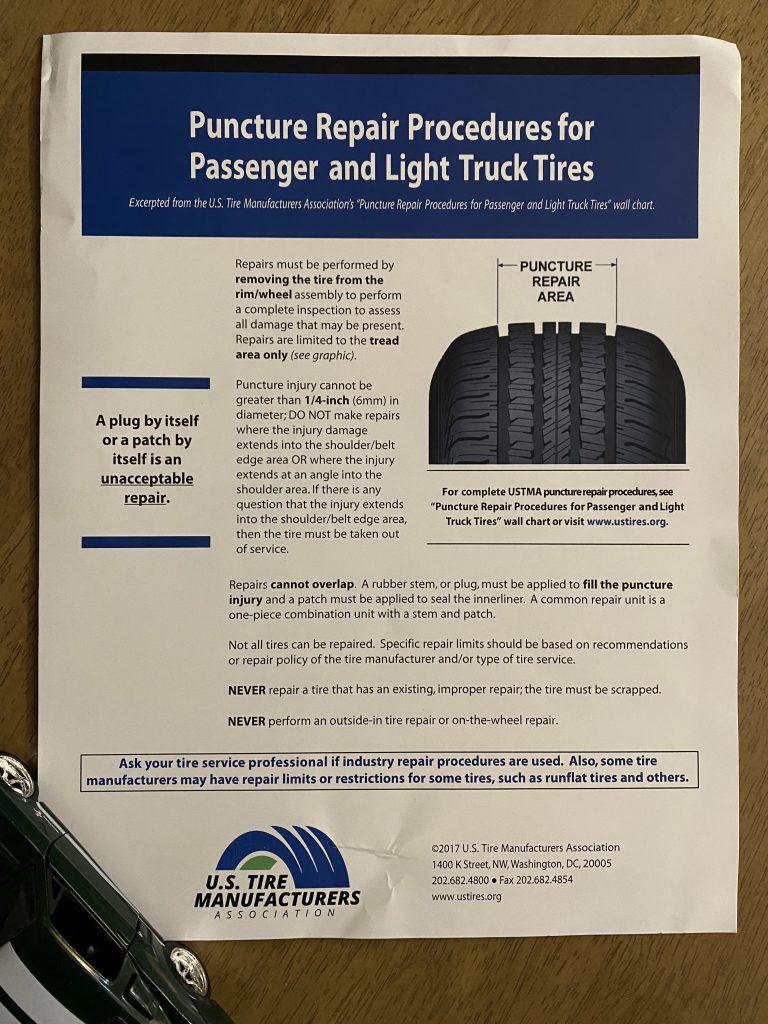
Regularly inspecting tires for cuts, cracks, bulges, and uneven wear can avert tire failure. For example, promptly addressing punctures can prevent a blowout. When it comes to tire repair, it’s advisable to consult a tire service professional. Issues like tread separation or underinflation are often intricate and require expert attention. Furthermore, maintaining tire balance is crucial for preventing premature wear and possible crashes; a service often performed by a certified Michelin dealer or qualified technician. Driving habits also contribute to tire longevity; avoiding curbs, and ensuring that the vehicle load does not exceed the vehicle load limit, especially in larger vehicles like SUVs, pickups, and vans, can help preserve tires.
Preparing for Emergencies
Having a well-maintained spare tire, along with the necessary tools, is essential for counteracting breakdowns during a road trip or in daily commuting. It is recommended to check the spare tire’s air pressure regularly as it should match the car’s rear tires for proper traction and stability. In case of tire failure, knowing how to safely install the spare tire can significantly reduce the risk of accidents. Additionally, keeping an emergency kit with essentials like a jack, wheel wedges, and a tire pressure gauge in your vehicle is of paramount importance. Awareness of the nearest service stations and having a reliable roadside assistance plan can provide peace of mind and swift help in the event of tire-related mishaps.
Tire Effects on Braking, Tires and Braking
Flawless braking performance requires topmost and equal traction at all four wheels. Preferably, a vehicle should have similar tires at all four wheels, but the ideal model rarely exists. Because gnawing between the tires and the road stops the car, troubleshooting brake problems must include attention to tire design, size, inflation pressure, and other factors.
The area of the tread contact patch and the overall diameter and radius of the tire are two tire size factors that have an instant effect on braking. The contact patch area is set on by tire section width, diameter, and inflation pressure. If tires with contrasting contact patch areas are mounted on the same axle, the tire with the smaller contact patch area will try to lock up first and skid. The automobile will try to pivot around the tire with the larger contact patch, and the driver will complain of a pull to that side. Tires and braking go hand in hand.
Tire Effects on Braking: Understanding the Impact on Vehicle Safety and Performance
Vehicle performance and safety are heavily influenced by the condition and type of tires mounted on a car. Tires act as the sole point of contact between a vehicle and the road surface, playing a pivotal role in braking efficiency. The design and composition of a tire can determine stopping distances, which directly affect the safety of passengers and other road users. Manufacturers invest considerable resources to engineer tires that can maintain a strong grip while bringing a vehicle to a halt rapidly and safely, even in adverse weather conditions.
The interaction between tires and braking systems is complex, involving various aspects such as tire tread pattern, rubber compound, and tire pressure. These factors must be optimized to ensure they work harmoniously with the vehicle’s braking system. The tread design is responsible for channeling away water to prevent hydroplaning, while the rubber compound must be soft enough to conform to the road surface but hard enough to be durable. Tire pressure also influences the contact patch—the area of the tire in contact with the road—which is critical for effective braking.
Consequently, regular tire maintenance is not just a recommendation but a requisite for safe driving. Drivers need to check their tires regularly for wear and tear, ensure they are inflated to the manufacturer’s recommended levels, and replace them when necessary. By understanding the impact tires have on braking, drivers can make informed decisions about tire purchases and maintenance, thereby enhancing the overall safety and performance of their vehicles.
The Fundamentals of Tires and Braking
The interaction between tires and braking systems is crucial for vehicle safety, influencing both tire and braking performance through friction and traction management.
Tire Composition and Structure
Tires are designed with a complex structure and composition to optimize contact with road surfaces. The tread, the tire’s outer layer, consists of various tread compounds designed to enhance traction. Tread depth is critical; deeper treads generally provide better grip by allowing the tire to channel away water and maintain contact with the road. Tire pressure also affects the contact area between the tire and the road, which can influence both traction and fuel efficiency.
- Composition: A mix of natural rubber, synthetic rubber, and other reinforcing materials like metal and fabric.
- Structure: Beads, sidewalls, and plies that contribute to tire strength and overall performance.
Key Features of Braking Systems
Braking systems are integral to vehicle safety and must be responsive and reliable. The central feature of modern brakes is the Anti-lock Braking System (ABS), designed to prevent wheel lockup during sudden stops and maintain steering control. Brakes reduce a vehicle’s speed by using friction, which converts kinetic energy into heat. Properly maintained brakes and tire pressure are essential for maximum braking performance.
- Components: Discs, pads, calipers, brake fluid, and electronic sensors.
- Function: ABS monitors wheel speed and modulates brake pressure to maximize traction and minimize stopping distances.
Influences on Braking Efficacy
Effective braking is critical for vehicle safety, relying heavily on the interplay between tire quality and road conditions. This section delves into the specifics that affect braking efficacy, such as the interaction with road surfaces, weather impacts, and technological advancements in vehicle dynamics.
Interaction Between Tires and Road Conditions
The tires’ traction on the road surface is essential for efficient braking. Tire traction is largely determined by the tread pattern and tire wear. Worn tires significantly reduce friction, leading to longer stopping distances. Furthermore, tire types are pivotal; for instance, summer tires perform poorly in colder temperatures compared to winter tires, which are designed to maintain grip on icy or snowy surfaces.
The Impact of Weather on Braking and Traction
Weather greatly influences braking and traction. Hazardous weather, such as rain or snow, creates slick roads and can lead to hydroplaning, where a layer of water reduces contact between the tire and the road. Anti-lock braking systems (ABS) help maintain control by preventing wheel lock-up, and the usage of winter tires over all-season tires can improve snow traction.
Technological Enhancements and Vehicle Dynamics
Vehicle manufacturers continuously develop technological enhancements to improve safety and control. Electronic Stability Programs (ESP) and ABS are systems designed to enhance vehicle performance under hard braking. Moreover, advancements in brake pads and the overall design of the braking system have revolutionized vehicle dynamics, offering drivers more control and reduced stopping distances in critical situations.
Tire Sidewall Markings P215/65R15
What do the letters and numbers mean? The P stands for passenger car tire. The 215 number is the width of the tire in millimeters. The 65 number is the ratio of height to width, which is also referred to as the aspect ratio. This particular tire would have a height that is 65 percent of the width. The R refers to radial, and the 15 is the rim diameter in inches.
Speed Rating
The speed rating designates the tire’s capability to withstand excessive speed.
The letter H denotes the tire has a 130 miles per hour (mph) speed rating. Other speed ratings are:
Q – 99 mph
S – 112 mph
T – 118 mph
U – 124 mph
V – above 130 mph short of service description
V – 149 mph with service description
Z – above 149 mph
Speed ratings are based on laboratory tests, and these ratings are not authentic if tires are worn out, disfigured, modified, underinflated, or overloaded. The condition of the automobile may also affect high-speed operation.
Overall Assurance from Goodyear
Michelin X-Ice Snow
Studless ice and snow tires. These tires offer excellent ride control over impacts, well-tuned proportioned steering feel, and a mild-medium volume tread noise.