
Rear and four-wheel drive vehicles rotate back tires to front on the same side of car, crisscrossing the fronts to rear. Front wheel drive vehicles crisscross the backs to front, and rotate front tires to rear, on the same side. If non directional, use this method to minimize scrub/wear. As a general rule, all vehicles can be crisscrossed back to front, front to rear. Directional tires on all automobiles can be rotated front to rear, rear to front on the same side of the car.
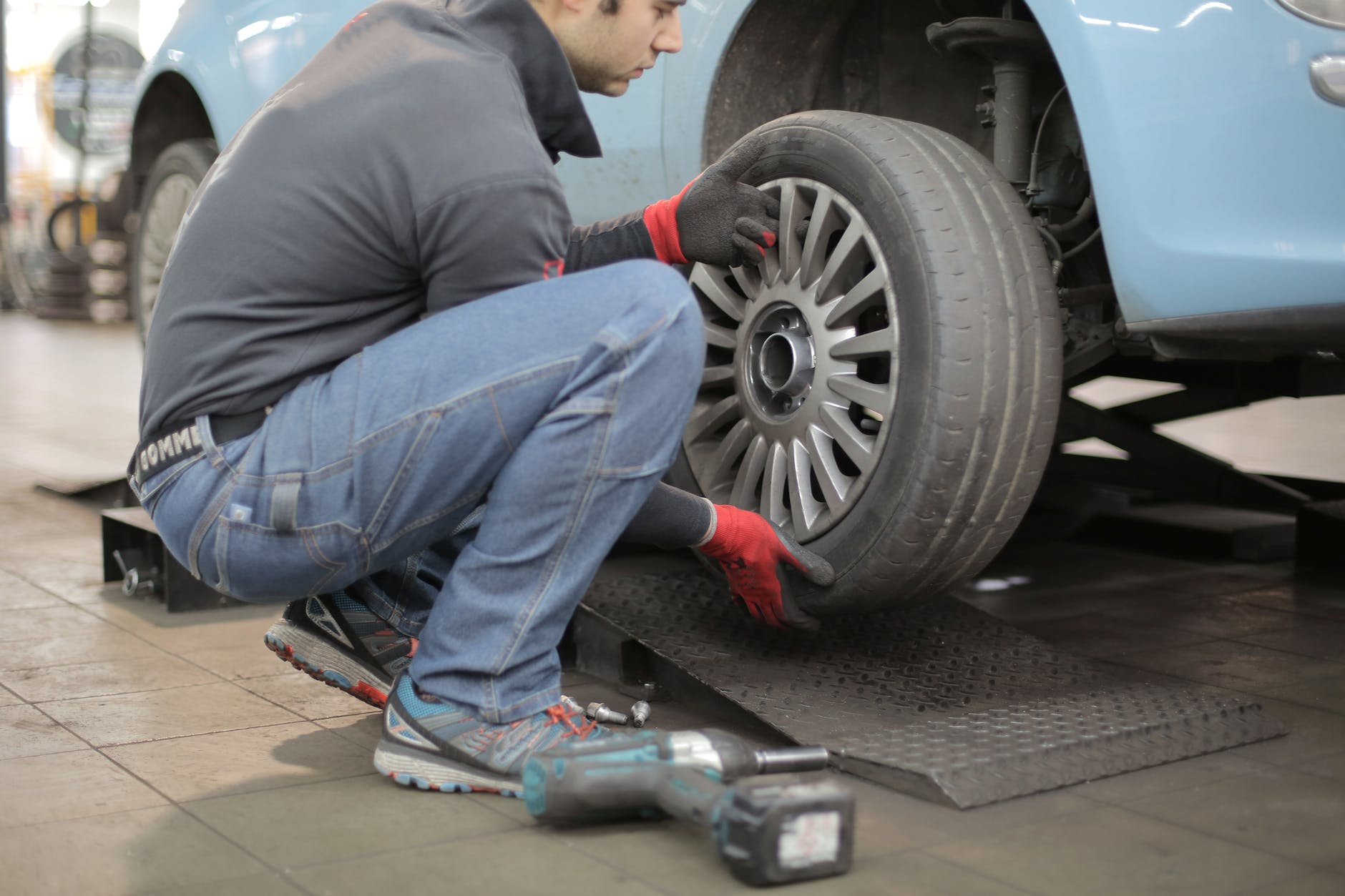
Recommended Tire Rotation Patterns: Maximizing Tread Life and Performance
Regular tire rotation is a crucial aspect of vehicle maintenance that can significantly enhance tire life and safety on the road. By redistributing the wear on tires to ensure they wear evenly, tire rotation helps maintain optimal handling and traction. This practice not only contributes to a smoother ride but also reduces the risk of blowouts and tread wear, leading to fewer replacements over the vehicle’s lifetime. Most manufacturers recommend rotating tires every 5,000 to 8,000 miles, but specific intervals can vary based on the vehicle type, tire model, and driving conditions.
Implementing proper tire rotation patterns is essential for maximizing the benefits of this maintenance task. Different drivetrains require different rotation strategies, such as moving the front tires to the rear and the rear tires to the front in a specific order for front-wheel drive vehicles. For all-wheel or four-wheel drive vehicles, a more complex pattern may be required to ensure all tires wear at the same rate. Adhering to the correct pattern helps maintain the tires in good condition, which is essential for the safety and performance of the vehicle.
Tire rotation is a simple yet effective way to extend the life of tires and improve vehicle safety. Seeking professional advice or referring to the vehicle’s owner’s manual can ensure that the appropriate tire rotation pattern is used, tailored to the specific needs of the car. Regular tire rotation is a small investment in maintenance that pays off in the long run by preserving tire quality and ensuring a reliable driving experience.
Understanding Tire Rotation Patterns
Tire rotation is a critical maintenance step that ensures tires wear evenly, which improves traction, handling, and the lifespan of the tires. This section explores the benefits of regular tire rotation, the types of tire rotation patterns available, and the differences between directional and non-directional tires.
Benefits of Regular Tire Rotation
Regular tire rotation offers multiple advantages:
- Even wear: It ensures more uniform wear across all tires, which can extend their usable life.
- Improved performance: Even wear contributes to better traction, handling, and safer driving.
- Cost savings: By maximizing the life of tires, drivers can reduce the frequency of tire replacements.
Types of Tire Rotation Patterns
There are several tire rotation patterns suitable for different vehicle types and tire configurations:
- Front-to-Rear: The most straightforward pattern; front tires move to the back, and rear tires move to the front.
- Side-to-Side: Lateral rotation useful for vehicles with tires of the same size and type on all wheels.
- X-Pattern: Front tires move diagonally to opposite rear positions and vice versa, applicable to vehicles with non-directional tires of the same size.
- Rearward Cross: The rear tires move to the front and remain on the same side, while the front tires move to the opposite sides of the rear.
These patterns should be chosen based on the vehicle’s drivetrain and tire type.

Directional Vs. Non-Directional Tires
- Directional Tires: Designed to rotate in one direction. Their tread pattern is optimized for enhanced wet traction.
- Rotation: Should be rotated front-to-back on the same side of the vehicle.
- Non-Directional Tires: Can rotate in any direction and have symmetrical tread patterns.
- Rotation: More flexible with multiple patterns, including the X-Pattern and Front-to-Rear.
Each tire type requires specific rotation patterns to maintain their designed efficiency and safety features. It’s crucial to identify the tire category before deciding on a rotation pattern.
Practical Tire Rotation Tips
Proper tire rotation is fundamental to ensure even tire wear, extend tread life, and maintain vehicle safety. Adhering to a consistent rotation schedule can prevent uneven wear and excessive vibration, ultimately allowing tires to last longer.
When to Rotate Tires
Vehicle manufacturers typically recommend rotating tires every six months or 6,000 to 8,000 miles, whichever comes first. Always consult the owner’s manual for specific guidance, as some high-performance vehicles or those with all-wheel drive may have different requirements. It’s advantageous to pair tire rotation with oil change intervals as a reminder.
Considering Vehicle Type and Drive
Tire rotation patterns differ based on vehicle type such as SUVs, dual rear wheel (dually) trucks, and all-wheel drive vehicles. For example, AWD vehicles generally benefit from front-to-rear and side-to-side rotation pattern to ensure all tires wear evenly, essential for maintaining vehicle performance. Meanwhile, vehicles with dual rear wheels will have a specific rotation strategy to redistribute the load evenly. Vehicles with a temporary spare tire should never include the spare in rotation, as it is designed for short-term use only. Always refer to the tire warranty for any stipulations about rotation to stay abreast of conditions that could potentially void coverage.